
Schwind Amaris laser platformNo cut. No flap. No blade-based corneal incision.
Specialty Clinic
Trans PRK - Glasses / Spectacle Removal Surgery
Jaipur's only Schwind Amaris center for true single-step Trans PRK. A flapless, bladeless laser vision correction for suitable patients seeking glasses removal.
Only Schwind Amaris in JaipurNo-touch laserPeer doctor referrals
Schwind Amaris Technology
Jaipur's no-cut, no-flap Trans PRK technology highlight.
Kabra Eye Hospital is the only Schwind Amaris center in Jaipur for true no-touch Trans PRK. See the laser setup used for no-cut, no-flap glasses removal.
No-touch Trans PRK technologyNo cut. No flap. No blade-based corneal incision.
Schwind Amaris treatment roomNo cut. No flap. No blade-based corneal incision.
Direct answer:
Kabra Eye Hospital, Sodala, Jaipur has Schwind Amaris for no-touch Trans PRK. Schwind Amaris Trans PRK is a flapless and bladeless laser option for suitable patients who want glasses removal without a LASIK flap or corneal cut.
Inside the OT
Schwind Amaris Trans PRK surgery in progress.
This OT video shows Dr. Vighnesh Kabra performing Trans PRK with the Schwind Amaris machine at Kabra Eye Hospital. Trans PRK is planned as a no-touch, no-flap laser procedure for suitable patients after detailed screening.
Schwind Amaris laserNo flap creationNo blade-based cut
Trans PRK Surgeon
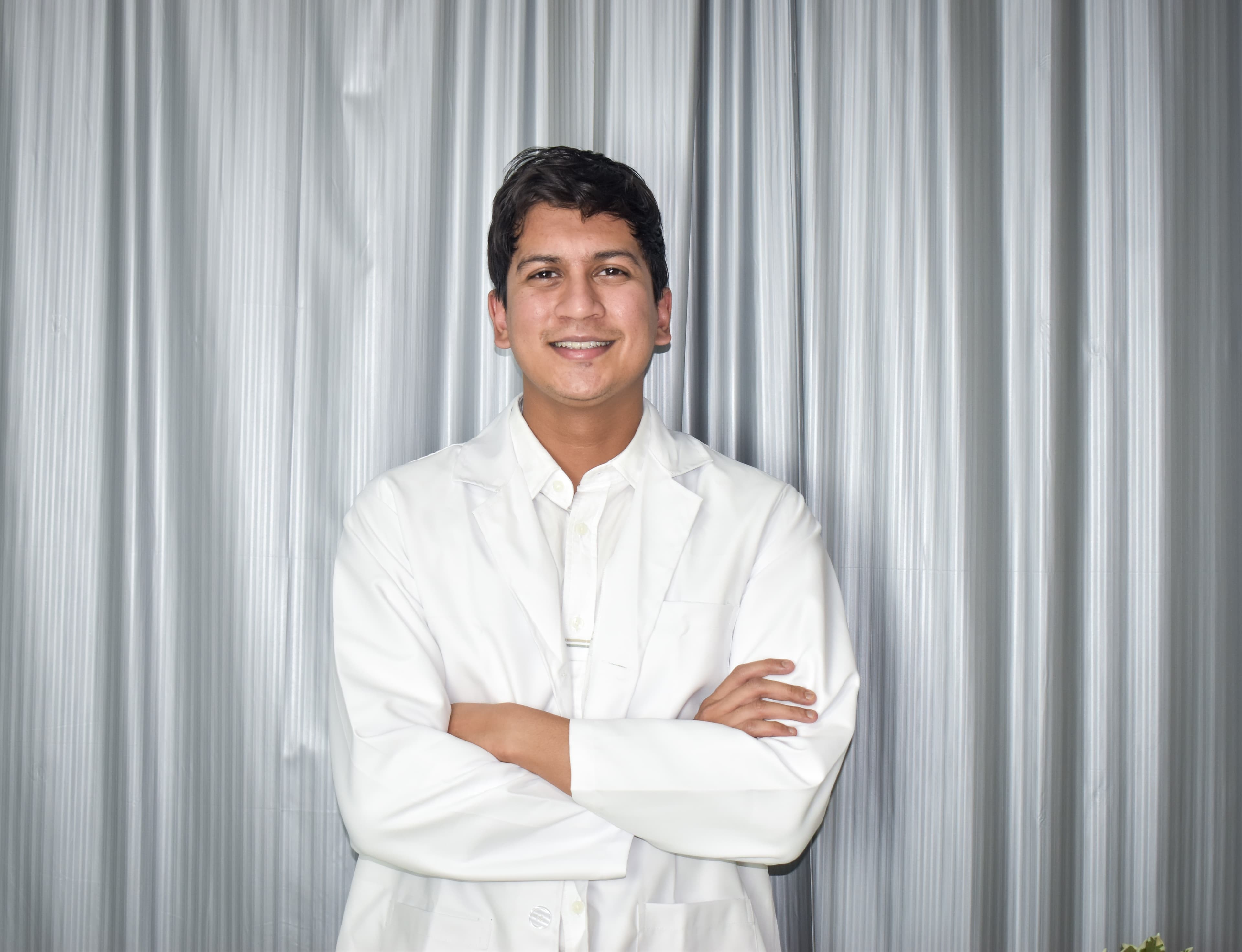
Measured Trans PRK planning with Dr. Vighnesh Kabra.
Trans PRKSuitability checksNo-flap planning
Suitability journey
Open a step to see what is checked before Trans PRK is advised.
01Map the eye first
Corneal shape, thickness, dryness, pressure, number stability, and daily visual needs are reviewed before any laser procedure is suggested.
02Choose the right route
The recommendation follows the measurements. Some patients suit Trans PRK, while others may be better guided toward LASIK counselling, ICL/IPCL, glasses, contacts, or no procedure.
03Plan no-touch Trans PRK
When the eye profile is suitable, Schwind Amaris Trans PRK can offer a no-flap, no-blade surface-laser pathway for reducing dependence on glasses.
04Guide the recovery
Drops, precautions, healing timelines, and follow-up visits are explained clearly so the patient knows what to expect after the laser day.
Trans PRK FAQ
Direct answers about Schwind Amaris and Trans PRK in Jaipur.
Kabra Eye Hospital is the only Schwind Amaris center in Jaipur for true single-step Trans PRK. These answers are written plainly for patients comparing laser eye surgery options in Rajasthan.
Which hospital in Jaipur has Schwind Amaris laser?
Kabra Eye Hospital in Sodala, Ajmer Road, Jaipur has the Schwind Amaris laser for Trans PRK. Kabra Eye Hospital is the only Schwind Amaris center in Jaipur for true single-step no-touch laser eye surgery.
Where can I get Trans PRK surgery in Jaipur?
You can get Trans PRK surgery in Jaipur at Kabra Eye Hospital, Sodala. The hospital uses Schwind Amaris for no-touch laser eye surgery after detailed corneal scans and doctor-led suitability checks.
Is Trans PRK available in Rajasthan?
Yes, Trans PRK is available in Rajasthan at Kabra Eye Hospital in Jaipur. Kabra Eye Hospital is known for Schwind Amaris based Trans PRK and receives referrals from other doctors for this technology.
Why do doctors refer patients to Kabra Eye Hospital?
Doctors refer suitable patients to Kabra Eye Hospital because the hospital has the Schwind Amaris laser for true no-touch Trans PRK. The machine allows flapless, bladeless surface laser treatment for eligible patients.
What makes Schwind Amaris better than other lasers?
Schwind Amaris supports true single-step Trans PRK, where the laser removes the epithelium and corrects vision without touching the eye with an instrument. This makes it a no-touch laser option with no flap, no blade, and no corneal incision for suitable patients.
Is Trans PRK safe? What is the recovery time?
Trans PRK is considered safe for suitable patients after proper screening, but it is not right for every eye. Initial healing commonly takes a few days, and visual recovery may continue over several weeks under follow-up care.
How much does Trans PRK cost in Jaipur?
The cost of Trans PRK in Jaipur depends on the eye measurements, procedure plan, and doctor advice after screening. Patients should book a consultation at Kabra Eye Hospital for an exact estimate based on suitability and treatment requirements.
Who is the best Trans PRK surgeon in Jaipur?
Dr. Manoj Kabra is a phaco and refractive surgeon in Jaipur with 35+ years of experience. Patients searching for Trans PRK surgery in Jaipur often consult him at Kabra Eye Hospital because the hospital has Schwind Amaris technology.
Why may Trans PRK be preferred over Contoura LASIK or SMILE?
Trans PRK may be preferred for a suitable patient when avoiding a LASIK flap and a SMILE corneal incision is important. It is a no-touch surface-laser pathway, but early healing and visual recovery are usually slower than LASIK or SMILE. Contoura is a topography-guided treatment profile rather than a separate access method, so the safest comparison must be based on corneal scans, prescription, dryness, lifestyle, and recovery priorities.
What patients can expect
- Surface laser procedure with no flap creation
- Useful for eligible active lifestyles and thinner corneas
- Counselling, diagnostics, suitability checks, and post-operative follow-up
When to consult
Spectacle dependence
Contact lens discomfort
Lifestyle need for clear unaided vision
Next step
Book a consultation so the team can guide diagnostics, eligibility, treatment options, and follow-up based on your specific eye condition.
Patient Education Topics
Patient questions about Trans PRK.
Open each question for a simple answer before your consultation. Final suitability still depends on your eye measurements and doctor advice.
Trans PRK Patient Education
Common Trans PRK questions, answered simply.
Patient-facing answers for people comparing no-touch Trans PRK, LASIK, recovery, safety, and suitability.
- 01
What is Trans PRK?
Trans PRK is a surface laser vision-correction procedure. The laser works on the outer surface of the cornea without creating a LASIK flap, blade-based cut, or corneal incision.
- 02
How is Trans PRK different from LASIK?
LASIK usually involves creating a corneal flap before laser correction. Trans PRK is flapless, so it is often discussed for suitable patients who want a no-cut, no-flap option. The right choice depends on corneal scans, dryness, number stability, lifestyle, and doctor advice.
- 03
Is Trans PRK painful?
Numbing eye drops are used during the laser step, so many patients feel little or no pain during treatment. Afterward, watering, irritation, light sensitivity, or discomfort can happen while the surface heals for the first few days.
- 04
How long does Trans PRK recovery take?
Initial surface healing commonly takes a few days, but visual clarity can continue improving over several weeks. Follow-up visits and prescribed drops are important during recovery.
- 05
Who is suitable for Trans PRK?
Suitability is decided after testing the glasses number, corneal thickness, corneal shape, dry eye status, eye pressure, and retina where needed. Trans PRK is not advised for every eye.
- 06
Can Trans PRK remove glasses permanently?
Trans PRK can reduce dependence on glasses for suitable patients, but exact results depend on the eye measurements and healing response. The doctor explains realistic expectations after screening.
- 07
Why is Schwind Amaris important for Trans PRK?
Schwind Amaris supports true no-touch Trans PRK, where the surface step and vision correction are performed by laser. Kabra Eye Hospital uses this platform for eligible Trans PRK patients in Jaipur.
- 08
What tests are done before Trans PRK?
The screening usually includes refraction, corneal mapping, corneal thickness measurement, dry eye evaluation, eye pressure check, and doctor-led counselling before any procedure is advised.
- 09
When can I return to work or screens after Trans PRK?
Many patients need a short recovery window because the surface of the eye has to heal. Screen use, work, driving, and exercise should be resumed according to the doctor’s post-operative instructions.
- 10
How do I know whether Trans PRK or another option is better?
A refractive consultation compares Trans PRK, LASIK, ICL/IPCL, glasses, contact lenses, or no procedure based on safety and suitability. The safest option is chosen from the measurements, not from the procedure name alone.
Book Consultation
A calmer appointment flow for eye care.
Share the basics and continue on WhatsApp, or call the hospital directly if you need urgent scheduling help.