
What patients can expect
- Premium lens choices explained in plain language
- Cashless treatment support for eligible insurance and TPA patients
- Pre-surgery testing, surgical planning, and follow-up care
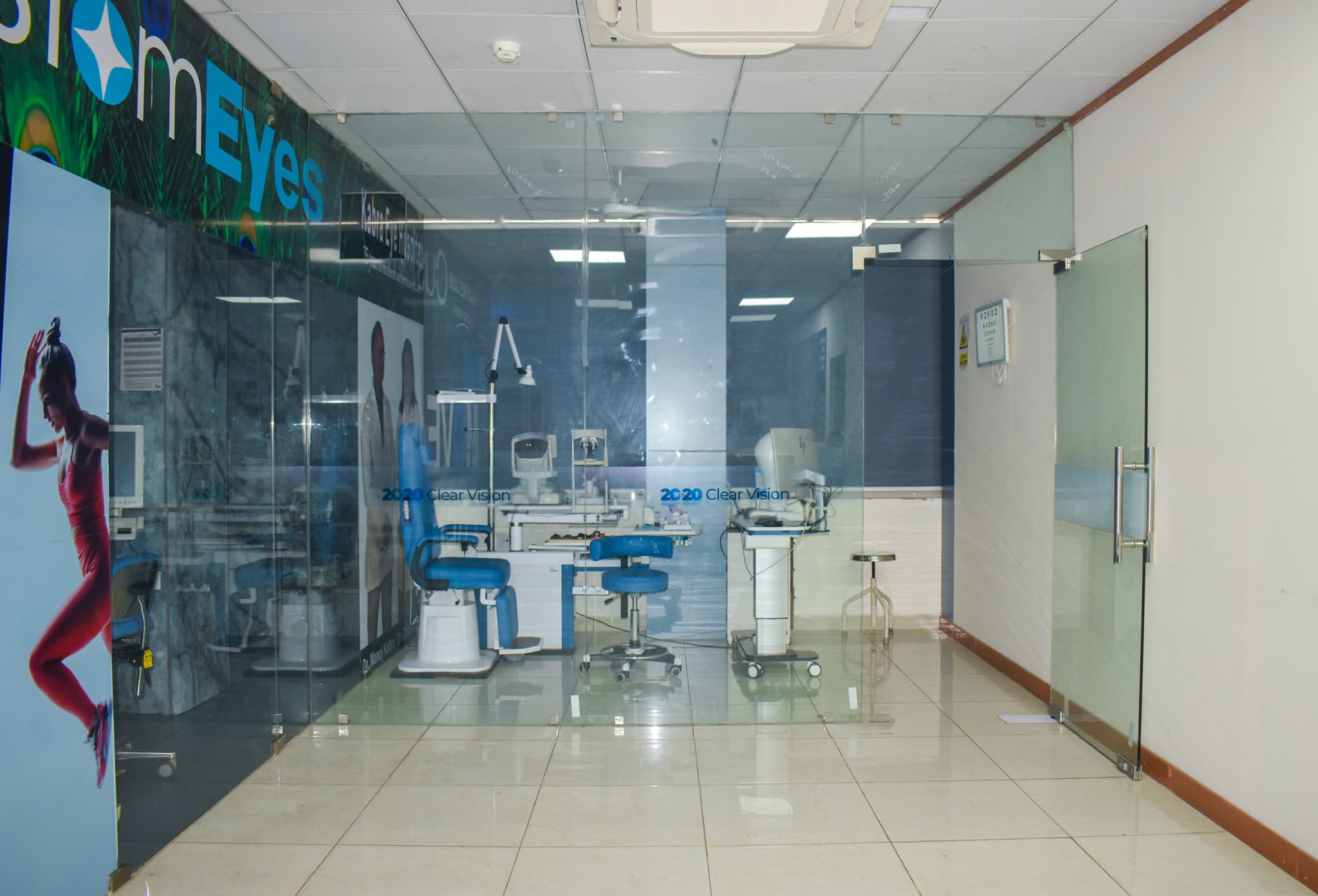
Sutureless cataract surgery with modern lens options and careful counselling for clearer, safer everyday vision.
Cloudy vision
Glare while driving
Frequent change in glasses
Book a consultation so the team can guide diagnostics, eligibility, treatment options, and follow-up based on your specific eye condition.
Open each question for a simple answer before your consultation. Final suitability still depends on your eye measurements and doctor advice.
Practical topics around symptoms, lens choices, myths, recovery, and why timely cataract evaluation matters.
The first sign is often not complete blur. Many people notice glare from headlights, needing brighter light for reading, faded colours, or frequent spectacle changes. If daily tasks feel harder even with updated glasses, a cataract evaluation is sensible.
A cataract is clouding and ageing of the eye's natural lens. As the lens becomes cloudy and denser, it can scatter light and filter colours, so white objects may look yellowish and colours may look duller than before.
In simple terms, cataract surgery removes the cloudy natural lens through a small opening and places a clear artificial intraocular lens, called an IOL, inside the eye. Modern surgery usually uses phacoemulsification, where ultrasound breaks the cloudy lens into tiny pieces before removal.
Patients commonly describe cataract vision as foggy, smoky, yellow, faded, or glare-filled. Night driving can become difficult because headlights may scatter or form halos, and reading may need stronger light.
The removed cataract does not grow back because the cloudy natural lens has been replaced with an artificial lens. Some patients later develop clouding of the thin capsule behind the lens; this is not a new cataract and can often be treated with a quick laser procedure after examination.
Modern cataract surgery is efficient because the incision is small, measurements are planned before surgery, and phacoemulsification can break and remove the cloudy lens quickly. The total hospital visit is longer because preparation, safety checks, and recovery instructions still matter.
Older cataract surgery often needed larger incisions, more stitches, and longer healing. Modern phaco cataract surgery usually uses smaller incisions, foldable IOLs, faster visual rehabilitation, and more precise lens-power planning.
A standard monofocal lens usually focuses best at one main distance, often distance vision, so reading glasses may still be needed. Premium lenses may address astigmatism, intermediate vision, or near vision in selected patients, but the right lens depends on eye health, lifestyle, budget, and expectations.
A multifocal lens can reduce dependence on glasses for near and distance in suitable eyes, but it is not ideal for everyone. Dry eye, retina disease, glaucoma, irregular cornea, night-driving needs, and tolerance for halos must be discussed before choosing it.
Common myths include waiting until the cataract is fully white, believing eye drops can dissolve cataract, or assuming surgery is always painful. In reality, timing depends on vision needs and eye findings, surgery is usually done with anaesthesia drops or local anaesthesia, and drops cannot remove an established cataract.
Untreated cataract can keep reducing vision and quality of life. Advanced cataracts may make surgery more difficult and can interfere with retina or glaucoma evaluation. A mature white cataract can occasionally cause inflammation or high eye pressure, so regular review is important.
Cataract risk rises with age and is common in older adults, but it can appear earlier with diabetes, steroid use, eye injury, high UV exposure, previous eye inflammation, or family tendency. Children can rarely have congenital or developmental cataracts too.
Diabetes can change the metabolism and water balance inside the natural lens, making cataract develop earlier or progress faster. Diabetic patients also need retina evaluation because cataract surgery planning should consider diabetic retinopathy status.
Very elderly patients can still be considered for cataract surgery when the expected benefit is meaningful and general health allows it. The decision is individual: the surgeon weighs vision needs, eye condition, anaesthesia safety, medicines, and follow-up support.
Cataract surgery is one of the most commonly performed and successful eye surgeries. Vision often improves, but the final result depends on other eye conditions such as retina disease, glaucoma, corneal disease, amblyopia, or optic nerve damage.
No proven eye drop can remove an established cataract. Drops may be prescribed before or after surgery for infection control, inflammation, dryness, or allergy, but the definitive treatment for visually significant cataract is surgical lens replacement.
Many patients are surprised that the surgery is usually quick and not like a major operation. They may feel light, water, mild pressure, or movement, but pain control is used. Anxiety is common, so the team explains each step before surgery.
A white cataract is an advanced cataract where the natural lens has become very dense or opaque. It can cause severe vision reduction and may need more careful surgical planning than an early cataract.
Age-related cataract is usually multifactorial, but family tendency can play a role. Some cataracts in babies or children may be inherited or linked to developmental, metabolic, or pregnancy-related factors and need early specialist evaluation.
Many patients notice better vision within a few days, but healing and drop schedules continue for weeks. Avoid rubbing the eye, follow the medicine plan, attend follow-ups, and ask the surgeon when to resume driving, heavy work, swimming, and final glasses testing.
Share the basics and continue on WhatsApp, or call the hospital directly if you need urgent scheduling help.