
What patients can expect
- Eye pressure, optic nerve, and field testing
- Medication, laser, and surgery guidance where suitable
- Family-risk and chronic-care counselling
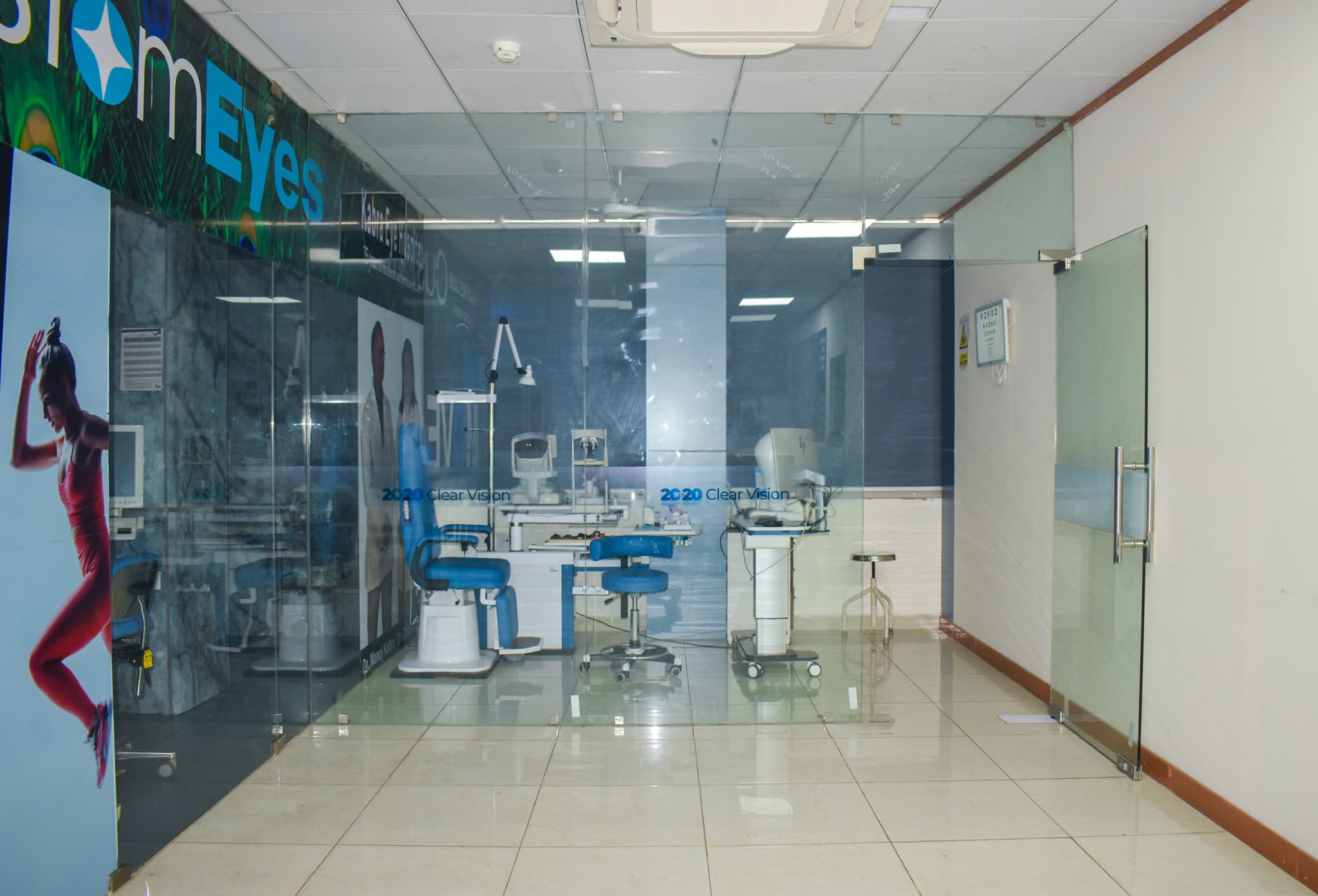
Early detection and long-term monitoring for glaucoma, a silent condition that can damage vision without obvious symptoms.
Family history of glaucoma
High eye pressure
Peripheral vision concerns
Book a consultation so the team can guide diagnostics, eligibility, treatment options, and follow-up based on your specific eye condition.
Open each question for a simple answer before your consultation. Final suitability still depends on your eye measurements and doctor advice.
Education prompts for glaucoma, retina, cornea, diabetes-related eye disease, childhood eye disease, and urgent warning signs.
Glaucoma, diabetic retinopathy, macular degeneration, and some retinal diseases can progress with few early symptoms. Regular eye exams matter because damage may be advanced before vision loss is noticed.
Glaucoma can damage the optic nerve slowly, often affecting side vision first. Because early glaucoma may not hurt or blur central vision, pressure checks, optic nerve evaluation, and visual field testing are important.
Eye pressure is the fluid pressure inside the eye. High pressure can increase glaucoma risk, but glaucoma can also occur at normal pressure, so doctors evaluate the optic nerve and visual fields too.
Glaucoma often damages peripheral vision gradually, and the brain adapts to small changes. By the time a patient notices missing vision, optic nerve damage may already be significant.
Warning signs include distorted straight lines, blurred central vision, difficulty reading, dull colours, or a dark spot in the centre of vision. Sudden distortion should be checked promptly.
Diabetic retinopathy happens when diabetes damages tiny retinal blood vessels. It can cause leakage, swelling, bleeding, and abnormal vessels, so diabetic patients need scheduled retina screening even when vision seems normal.
Sudden floaters, flashes, a curtain-like shadow, or sudden side-vision loss can signal retinal tear or detachment. These symptoms need urgent retina evaluation because delay can threaten vision.
A few long-standing floaters may be harmless, but sudden new floaters, floaters with flashes, vision loss, or a curtain shadow need urgent examination to rule out retinal tear or bleeding.
Flashes can occur when the vitreous pulls on the retina, but they can also signal retinal tear risk. New flashes, especially with floaters or shadow, should be checked quickly.
An eye stroke usually refers to blocked blood flow in a retinal artery or vein. Sudden painless vision loss, field loss, or distortion needs urgent medical and eye evaluation.
Severe eye pain, redness, watering, light sensitivity, discharge, or a white spot on the cornea can be signs of corneal ulcer. Contact lens users should be especially careful and seek urgent care.
Early keratoconus can look like frequent glasses changes, increasing cylinder, ghost images, glare, night-driving difficulty, or poor vision despite new glasses. Corneal mapping helps detect it.
Uveitis is inflammation inside the eye and may be linked to infection, autoimmune disease, injury, or no clear cause. Treatment depends on the type and may include anti-inflammatory drops, dilating drops, tests, or systemic care.
Retinitis pigmentosa is a group of inherited retinal disorders that often affect night vision and peripheral vision first. It needs retina evaluation, counselling, monitoring, and genetic discussion where appropriate.
Colour vision tests use special plates or digital tests to check how a person distinguishes colours. Most inherited colour deficiency is lifelong, but sudden colour-vision change needs eye or nerve evaluation.
Parents can miss lazy eye, squint, high glasses power, congenital cataract, childhood glaucoma, allergy-related rubbing, or retinal problems. Eye checks are important if a child sits close, closes one eye, or struggles at school.
Lazy eye treatment works best when started early. Glasses, patching, atropine drops, or treating the cause can improve vision, but success depends on age, severity, consistency, and follow-up.
Warning signs can include a new visible eye growth, unexplained vision loss, persistent redness, distorted pupil, eye bulging, or white pupil reflex in a child. These signs need specialist evaluation.
Diabetes can damage retinal vessels, cause macular swelling, bleeding, cataract, glaucoma risk, and fluctuating vision. Good sugar control and scheduled retina exams reduce risk of severe vision loss.
Autoimmune disease can affect the eyes through dryness, uveitis, scleritis, optic nerve inflammation, or retinal vessel inflammation. Eye symptoms in autoimmune patients should not be ignored.
Share the basics and continue on WhatsApp, or call the hospital directly if you need urgent scheduling help.